72 hr
3-Day Serengeti & Ngorongoro Crater Camping Safari
Three days chasing wildlife across the Serengeti plains and down into Ngorongoro Crater.
Reserve
Two days of grassland, one morning inside a collapsed volcano.
Hand-picked by our editors — only the best 5 safari experiences from 180 reviewed.
Verified partners for every tour, free cancellation where available, and instant confirmation on every booking.
72 hr
Three days chasing wildlife across the Serengeti plains and down into Ngorongoro Crater.
Reserve
8 hr
Fly from Zanzibar to Africa's largest game reserve for a full day of wildlife and a bush lunch.
Reserve
72 hr
Fly from Zanzibar to track the Big Five across the Serengeti and descend into Ngorongoro Crater.
ReservePrices from verified partners. Availability updates in real time at checkout. Free cancellation policies apply where shown.
The landmarks, rooms, and views travelers on this tour remember — all visible on a single visit.
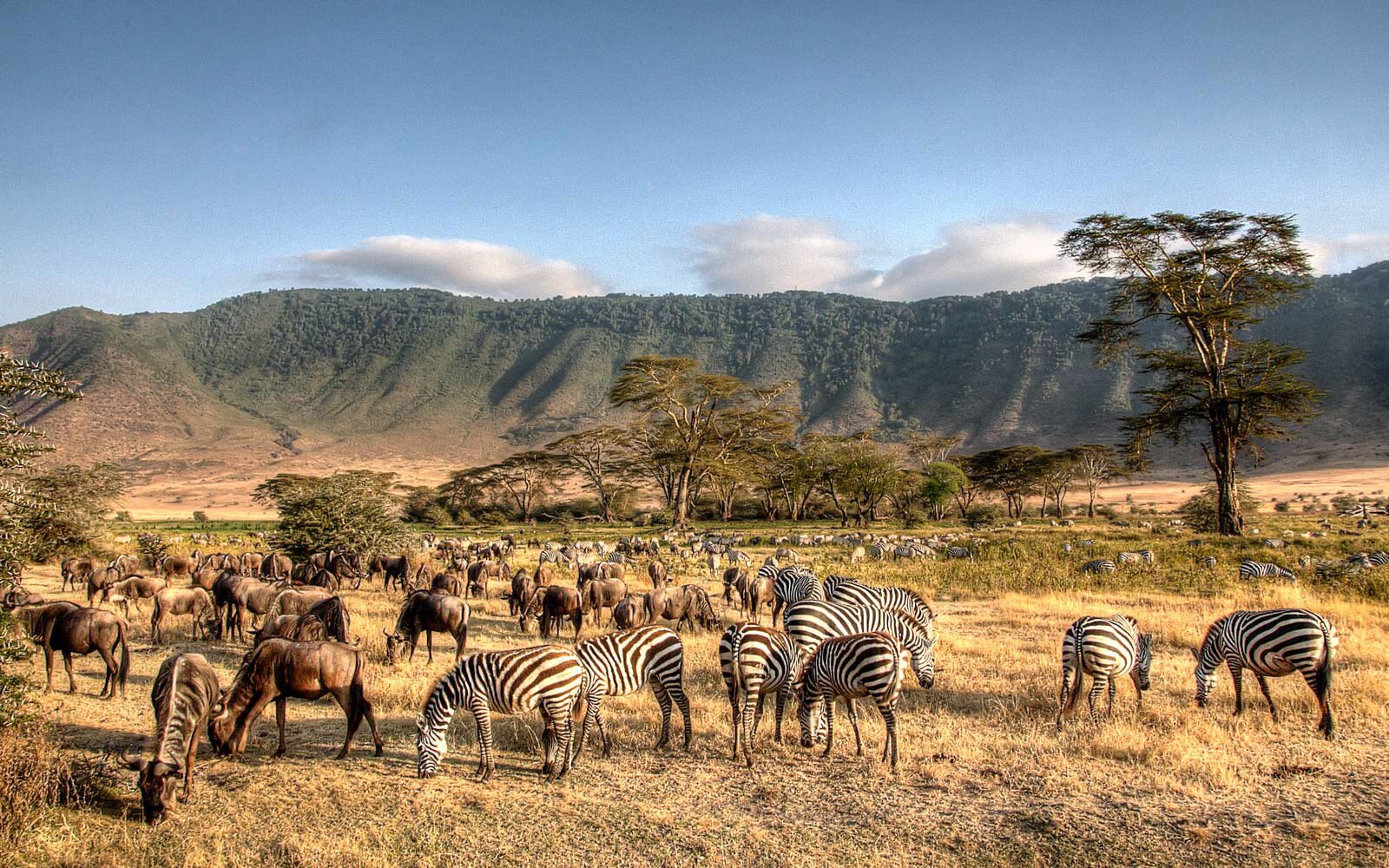
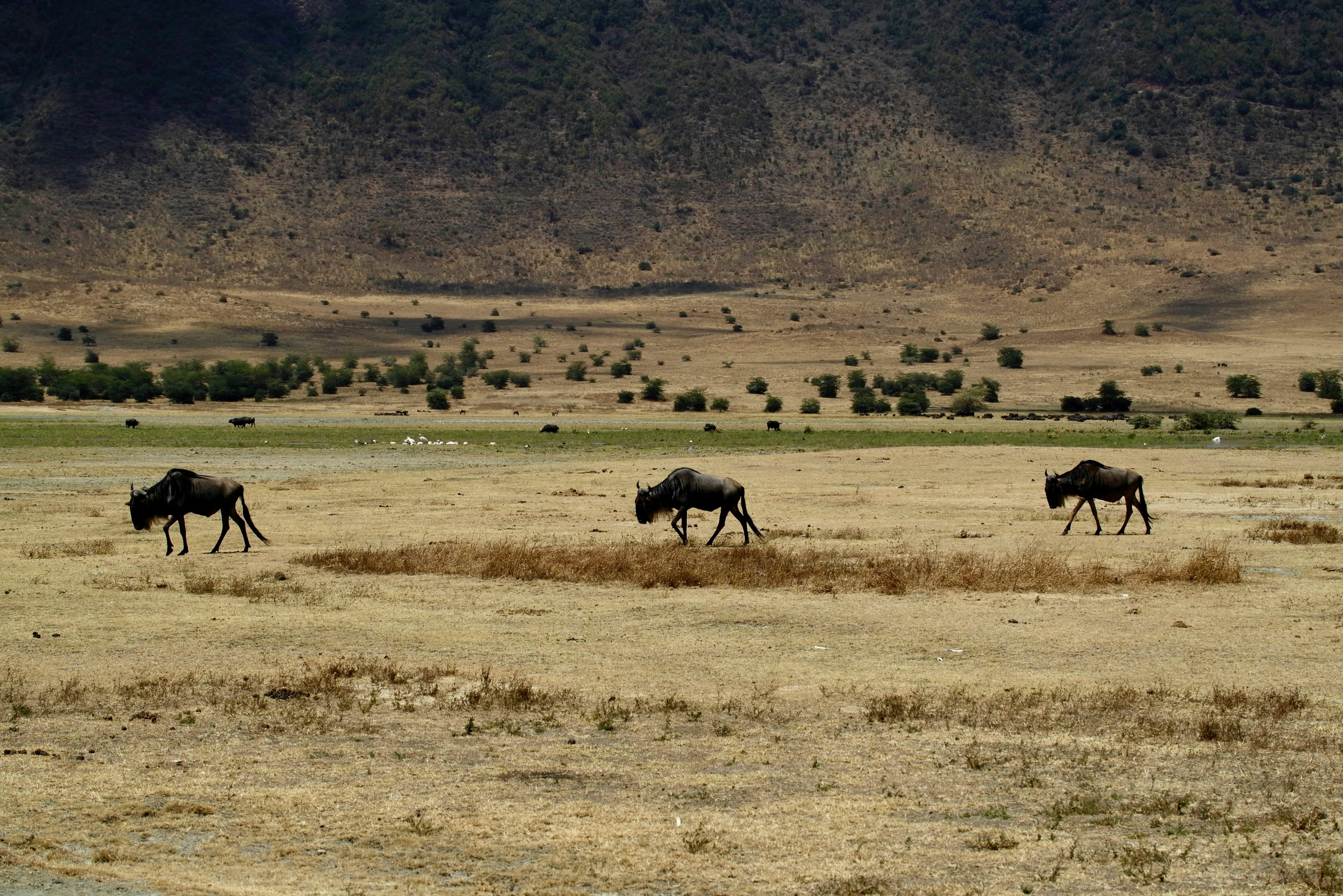
Home to the massive annual migration of millions of wildebeest and zebra across the savanna.
This massive caldera is 600 meters deep and spans 260 square kilometers of prime wildlife habitat.
Observe these large mammals cooling off in the water, often just a few meters from your vehicle.
Visit a traditional village to learn about local culture and pastoral lifestyles.
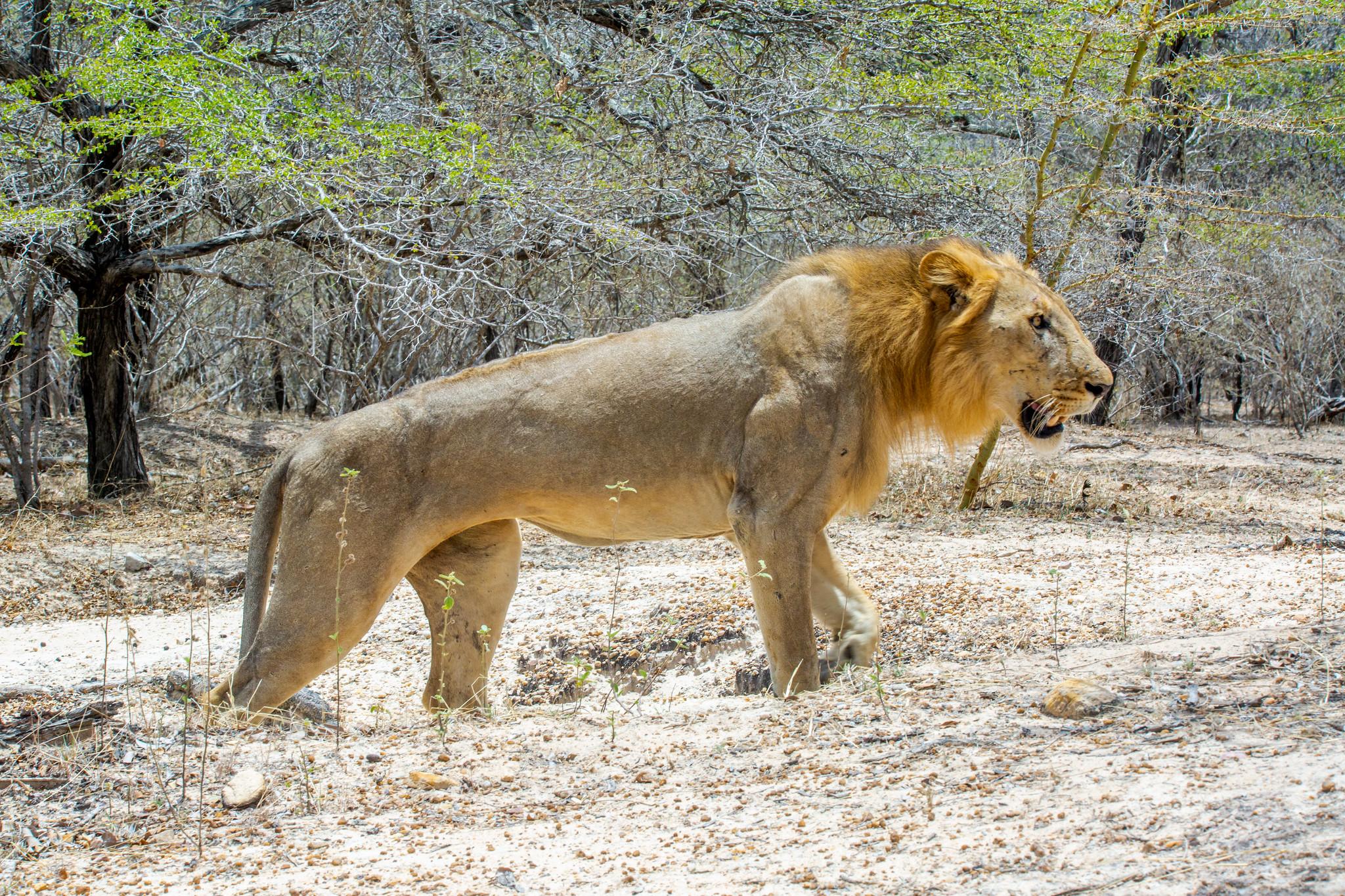
A primary artery where leopards and lions are frequently spotted in acacia trees.
The Northern Circuit provides a classic migration-focused experience, while Nyerere offers a more secluded, water-based wilderness adventure that reduces total transit time. Choosing a 3-day serengeti and ngorongoro safari from zanzibar offers high-drama wildlife viewing for those willing to commit to longer travel periods.
| Feature | Top pick Serengeti & Ngorongoro | Nyerere Fly-In |
|---|---|---|
Travel Time from Zanzibar |
2–3 hours flight plus driving | 45–60 minutes flight |
Primary Wildlife Focus |
Big Five and Great Migration | Elephants and predators |
Landscape Diversity |
Open savannah and volcanic crater | Riverine forest and wetlands |
Travel Effort |
High due to internal circuit driving | Low via direct fly-in access |
Game Density |
Very high year-round concentration | High seasonal wildlife movement |
| See tickets → |
Verdict: Select the 3-day serengeti and ngorongoro safari from zanzibar tours if observing the Great Migration is your primary goal, or opt for Nyerere for a more relaxed itinerary using 3-day serengeti and ngorongoro safari from zanzibar tickets equivalents that emphasize water-based safaris.
Choose your ticket, select your date, and reserve in under two minutes. Secure checkout handled by our verified partner.
Instant confirmation by email, with a mobile voucher you can save offline. No printing, no queuing at a collection desk.
Arrive at the entrance, show your voucher on your phone, and walk in. Most tickets include priority or skip-the-line access.
Best time to go, insider tips, nearby landmarks, and the cancellation fine print — flip through to skim what matters to you.
How crowds, weather, and events shift across the year.
High volume of wildlife viewing during the dry season months of July and August.
Excellent migration visibility in the central plains through January and February.
Reduced crowd numbers in May and November despite occasional short rains.
The most reliable weather for a 3-day serengeti and ngorongoro safari from zanzibar experience.
Small details that turn a good visit into a great one.
Drink plenty of water even if you do not feel thirsty in the dry heat. Keep a constant supply in your vehicle.
The equatorial sun is intense even on cloudy days. Use high-SPF sunscreen consistently.
Leaving camp at 06:00 increases your chances of spotting predators active in the cool morning air.
Maintain a quiet demeanor around wildlife. Loud noises often drive animals away.
Bring a universal adapter for lodges. Solar-powered units are also helpful for remote bush camps.
Keep your park permits in a digital file and physical folder. Inspectors may request these at any time.
Non-bookable sights within a short walk — free to visit, easy to pair.
A paleoanthropological site showcasing early human history.
Known for tree-climbing lions and flamingo concentrations.
A deep, lush caldera ideal for high-altitude trekking.
The heart of big cat territory in the central plains.
Flexible, no hidden fees.
Full refunds are typically issued if requested outside the operator-defined cancellation window. Cancellations within the window may forfeit the 70 USD conservation fee per adult per day.
Hand-picked options within walking distance — pick a district for vibe, or a specific hotel for convenience.
Central location within the park borders.
Perched on the rim of the caldera.
Eco-friendly lodging near the crater gate.
The volcano that collapsed to form Ngorongoro is thought to have stood higher than Kilimanjaro before it fell in on itself some two and a half million years ago. What remains is a caldera nineteen kilometres across and roughly 610 metres deep, its floor holding about 260 square kilometres of grassland, soda lake and fever-tree forest. Travellers who take 3-Day Serengeti and Ngorongoro Safari from Zanzibar tours cross, in about ninety minutes of flying, between two entirely separate Tanzanias: coral coast and volcanic highland. Serengeti National Park was gazetted in 1951, the first in the country. Its name descends from the Maasai word siringet, the place where the land runs on forever. UNESCO inscribed the park in 1981; the Ngorongoro Conservation Area, established in 1959, had been listed two years earlier. Bernhard and Michael Grzimek's 1959 film Serengeti Shall Not Die argued the case for those boundaries. Michael died in a light-aircraft crash that same year and lies buried on the crater rim. Ngorongoro remains unusual among protected landscapes: Maasai pastoralists graze cattle inside it by right, sharing rim and floor with lion, elephant and one of East Africa's last viable black rhino populations. The region also holds one of the deepest records of human origins anywhere. At Olduvai Gorge, on the road between crater and plains, Mary and Louis Leakey uncovered the skull of Paranthropus boisei in 1959, dated to about 1.8 million years. Seventeen years later, at nearby Laetoli, Mary Leakey traced hominin footprints pressed into volcanic ash some 3.6 million years old. The Serengeti safari tour circuit therefore runs through both the largest surviving terrestrial mammal migration — roughly 1.5 million wildebeest, joined by 250,000 zebra — and the ground on which upright walking was first demonstrated. Ecologically the two areas work as one system. Volcanic ash from Ol Doinyo Lengai fertilised the short-grass plains of the south-east, producing calcium-rich pasture that draws the calving herds each February. Rain then pulls them north toward the Grumeti and Mara rivers by June, and back again with the storms. Conservation revenue underwrites the arrangement: the entrance charge across the Northern Circuit is 70 USD, a conservation fee per adult, per day, quoted as a typical rate that varies by season, and gates operate 06:00–18:00 every day of the week. A 3-Day Serengeti and Ngorongoro Safari from Zanzibar tour compresses that geography — coast, escarpment, caldera, plain — into three days, which reads less as an abbreviation than as a cross-section of East Africa.

"The place where the land runs on forever, and beneath it, the ground where walking began."
Booking 3-day serengeti and ngorongoro safari from zanzibar tours in advance is highly recommended due to high seasonal demand for vehicles.
The dry season is the best time for 3-day serengeti and ngorongoro safari from zanzibar tours due to better animal visibility.
Photography is encouraged, but maintain a quiet environment and keep your gear ready for moving wildlife.